

Magnesium supplementation has seen exponential growth in global consumption, driven by a greater understanding of magnesium's many roles in the body and increasing consumer interest in supporting overall health and wellness. As awareness grows, so does the variety of magnesium supplements available, making it important to understand which form may best suit your individual needs.
Magnesium is an essential mineral that supports hundreds of functions in the body, yet many people don't fully understand its importance or the differences between the various types available. If you're considering a magnesium supplement, learning about the benefits of each form can help you make a more informed choice.
Before we explore the different forms of magnesium, let's take a closer look at why this mineral is so important and how much you need each day.
What Does Magnesium Do for the Body?
According to Dr. Robert H. Shmerling, magnesium is a mineral the body needs to function properly. It plays a key role in supporting a healthy cardiovascular system, nerves, muscles, and bones. Magnesium also helps regulate calcium and blood sugar levels and is essential for protein production.
How Much Magnesium Do You Need?
The recommended daily intake of magnesium is:
Women: 320 mg per day
Men: 420 mg per day
For many people, these requirements can be met through a healthy, balanced diet that includes a variety of nutrient-rich foods.
Different Types of Magnesium and Their Benefits
Not all magnesium supplements are the same. Each form offers unique benefits and may be better suited to specific wellness goals.
Best for: Relaxation, sleep support, and stress management
Magnesium glycinate is highly absorbable and gentle on the stomach. It is often chosen by those looking to support relaxation, improve sleep quality, and help manage everyday stress.
Best for: Digestive health and bowel regularity
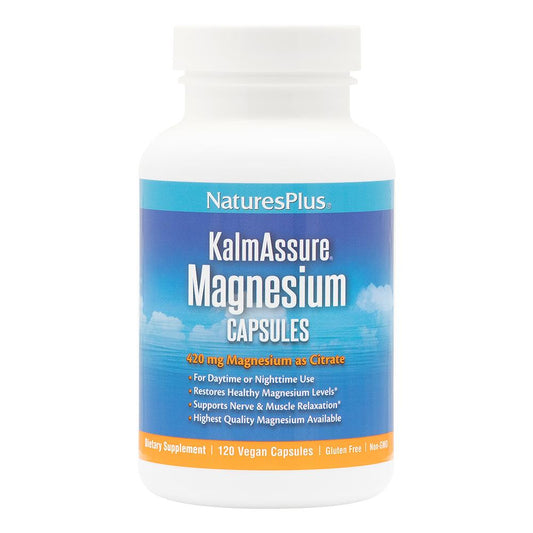
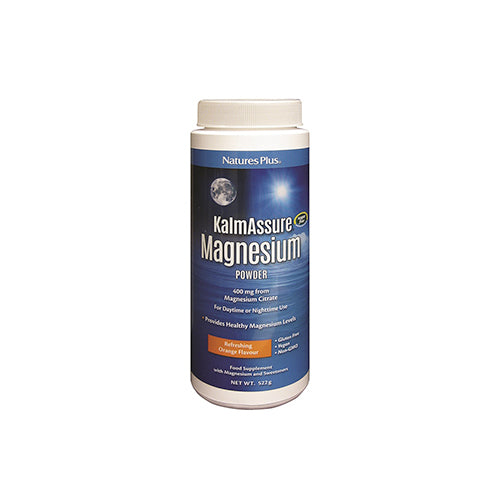
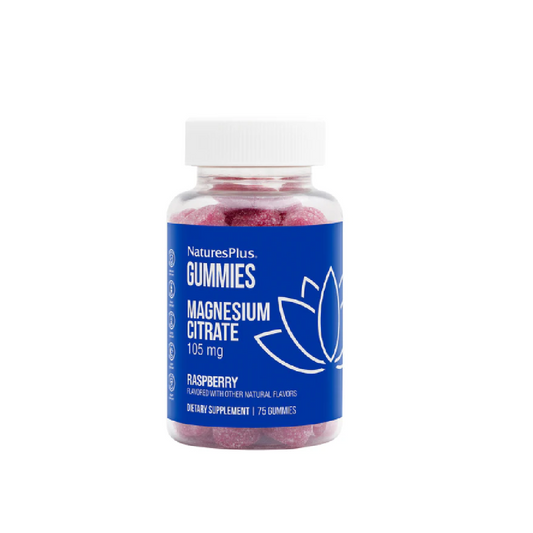
Magnesium citrate is commonly used to support healthy digestion. It helps draw water into the intestines, making it a popular choice for those seeking support for regular bowel movements.
Magnesium Sulfate (Epsom Salt)
Best for: Muscle relaxation and recovery
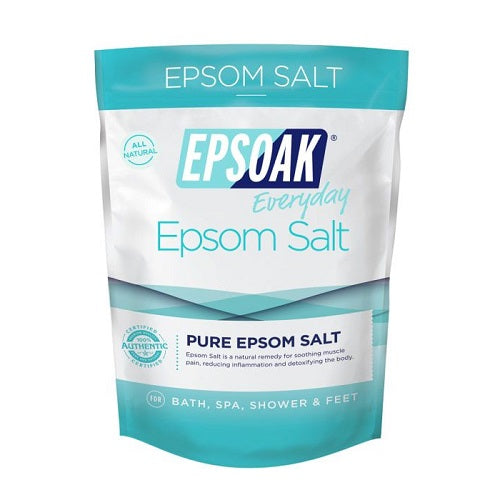
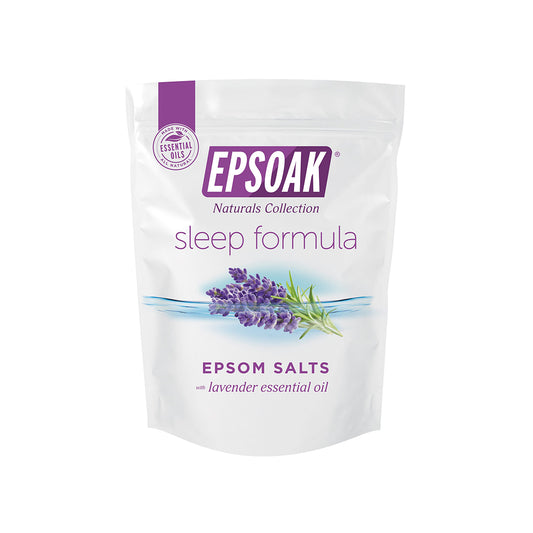
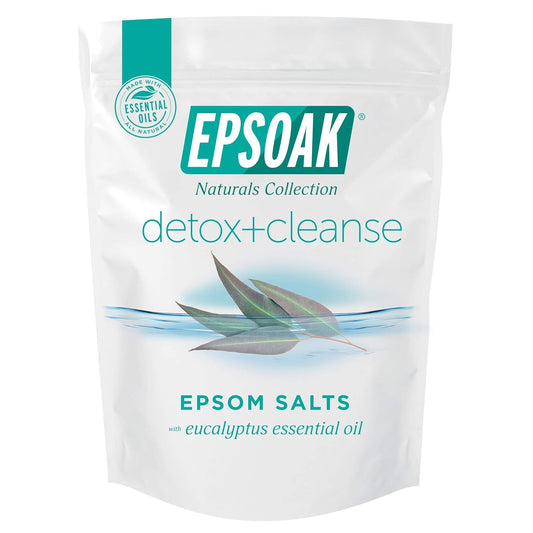
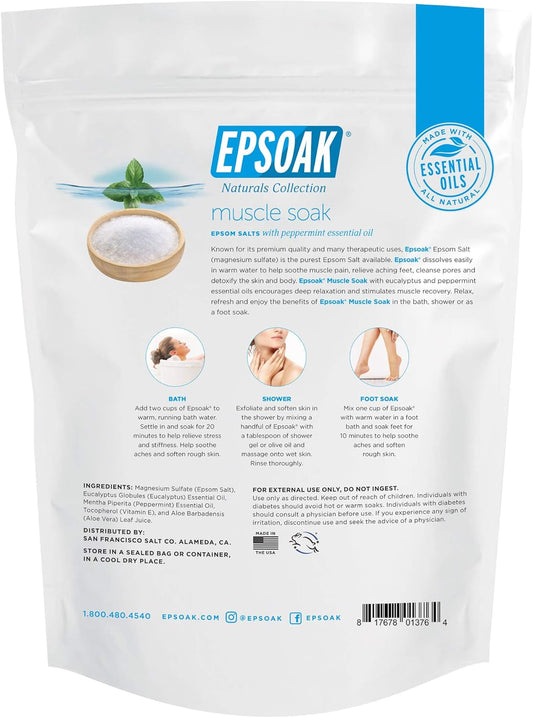
Known more commonly as Epsom salt, magnesium sulfate is often dissolved in warm bathwater to help soothe tired muscles and encourage relaxation. It is frequently used after physical activity or during periods of muscle discomfort.
Best for: Brain health and cognitive function
Magnesium L-threonate is known for its ability to reach the brain more effectively than many other forms of magnesium. It is often used to support memory, focus, and overall cognitive performance.
Can You Get Enough Magnesium from Food Alone?
Our bodies require magnesium every day, and many people can obtain sufficient amounts through a healthy, balanced diet.
Plant-Based Sources of Magnesium
Some of the best magnesium-rich foods include:
Pumpkin seeds
Chia seeds
Almonds
Cashews
Black beans
Dark leafy greens
Animal-Based Sources of Magnesium
While animal products generally contain less magnesium than plant-based foods, some good sources include:
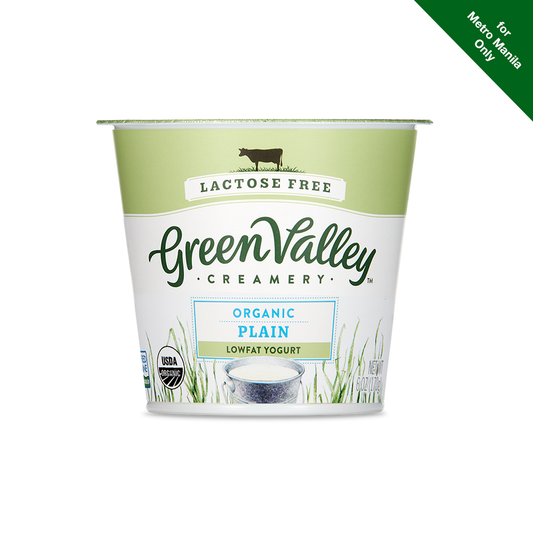
Plain low-fat yogurt
Salmon
Chicken breast
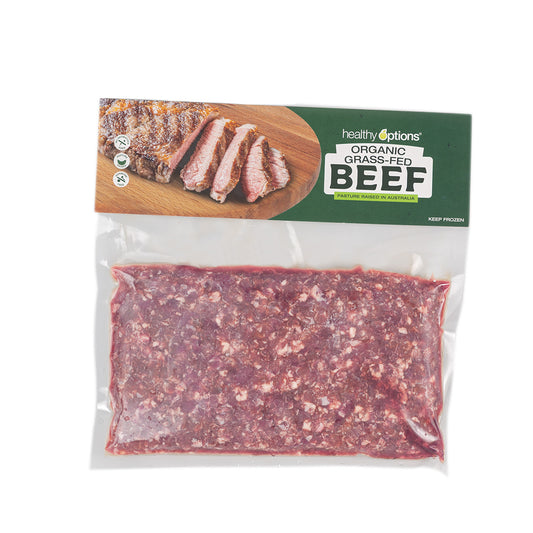
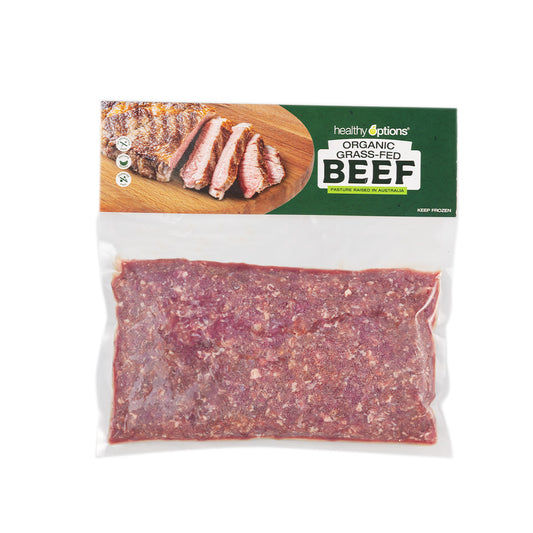
Lean ground beef
Signs You May Be Low in Magnesium
Your body may show signs when magnesium levels are low. Some common symptoms include:
Fatigue
Muscle weakness
Muscle cramps
Nausea
Loss of appetite
Older adults and people with alcohol dependence may be at a higher risk of magnesium deficiency.
When Should You Consider a Magnesium Supplement?
If your diet falls short of meeting your daily magnesium needs, supplementation may help fill the gap. Some people also choose magnesium supplements to support specific health goals such as sleep, relaxation, digestion, muscle recovery, or cognitive health.
If you're experiencing symptoms that may be related to low magnesium levels, it's always best to speak with your healthcare provider. They can help determine whether supplementation is right for you and recommend the most appropriate option for your needs.
Explore Your Magnesium Options
Choosing the right magnesium supplement starts with understanding your personal wellness goals. Whether you're interested in supporting restful sleep, digestive health, muscle recovery, or cognitive function, learning about the different forms of magnesium can help you make a more informed decision.
Explore the available magnesium options and take the time to discover which one may be the best fit for your lifestyle and health needs. With the right knowledge, you can better support your wellness journey and make magnesium a valuable part of your daily routine.
References:
Shmerling, R.H. (2025) What can magnesium do for you and how much do you need? , Harvard Health Publishing. Available at: https://www.health.harvard.edu/blog/what-can-magnesium-do-for-you-and-how-much-do-you-need-202506033100 (Accessed: 27 July 2026).
Huang, M. (2026) Oral magnesium supplementation, Science Direct. Available at: https://www.sciencedirect.com/science/article/pii/S277305062600042X (Accessed: 27 July 2026).
Thurrott, S. (2026) Magnesium glycinate: Benefits and safety , Banner Health. Available at: https://www.bannerhealth.com/healthcareblog/teach-me/what-is-magnesium-glycinate-health-benefits-and-safety-guide (Accessed: 27 July 2026).
UCLA Health (2023) Are you getting enough magnesium?, UCLA Health. Available at: https://www.uclahealth.org/news/article/are-you-getting-enough-magnesium#:~:text=Our%20bodies%20need%20to%20get,daily%20amount%20through%20food%20alone. (Accessed: 27 July 2026).